Illuminating Your Home: The Complete Guide to Lighting Design That Transforms Spaces

Walk into a beautifully lit room and you immediately feel its welcoming embrace. Enter a poorly lit space and no amount of expensive furniture or tasteful decor can compensate for the uncomfortable atmosphere created by inadequate or harsh lighting. Despite its transformative power, lighting remains one of the most overlooked elements in home design—a missed opportunity that affects everything from mood and productivity to safety and aesthetic appeal.
Effective lighting design isn't about simply installing bright fixtures in every room. It's about understanding how different types of light work together, how natural light changes throughout the day, and how to create flexible lighting schemes that serve multiple purposes. Whether you're building a new home, renovating existing spaces, or simply looking to improve your current lighting situation, understanding these principles will help you create environments that look beautiful and function flawlessly.
Understanding the Three Layers of Light
Professional designers approach lighting through a three-layer system that creates depth, flexibility, and visual interest. This framework applies to every room in your home, though the specific implementation varies based on each space's unique requirements.
Ambient Lighting: The Foundation Layer
Ambient lighting provides overall illumination for a room—the base level of light that allows safe movement and basic activities. This layer typically comes from ceiling fixtures, recessed lighting, or natural light from windows. Think of ambient lighting as your room's foundation; everything else builds upon it.
The goal of ambient lighting isn't to create dramatic effects or highlight specific features—it's to establish comfortable, even illumination throughout the space. This means avoiding harsh shadows or overly bright spots while ensuring adequate light for general activities. Most living spaces require ambient lighting that produces approximately 20 lumens per square foot, though this varies based on room function and personal preference.
Common ambient lighting sources include ceiling-mounted fixtures, chandeliers, recessed can lights, track lighting, and wall-mounted sconces. In rooms with abundant natural light, windows may provide much of your daytime ambient lighting, with artificial sources supplementing during darker hours.
Task Lighting: Functional Illumination
Task lighting directs light to specific areas where activities requiring focused vision occur—reading, cooking, grooming, working, or crafting. This layer provides brighter, more concentrated light than ambient sources, reducing eye strain and making detailed work easier and safer.
Task lighting should be bright enough for the intended activity without creating glare or harsh contrasts with surrounding areas. Position task lights to illuminate work surfaces without casting shadows—this often means placing lights in front of and slightly to the side of where you'll be working.
Examples of task lighting include reading lamps beside chairs or beds, under-cabinet lights in kitchens, vanity lighting in bathrooms, desk lamps in home offices, and pendant lights over kitchen islands or dining tables. The best task lighting is adjustable, either through dimming capability or physical positioning, allowing you to customize intensity and direction based on specific needs.
Accent Lighting: Adding Drama and Depth
Accent lighting highlights specific features—artwork, architectural details, plants, collectibles, or interesting textures. This layer adds visual interest and depth by creating focal points and drawing the eye to elements you want to emphasize. Accent lighting is optional but transforms spaces from merely functional to thoughtfully designed.
Effective accent lighting typically requires at least three times more light on the featured object than the surrounding ambient light. This contrast creates the dramatic effect that makes accent lighting noticeable and impactful. However, accent lighting should enhance rather than overwhelm; subtlety often proves more effective than obvious spotlighting.
Common accent lighting includes picture lights, directional track lighting, in-cabinet lighting to showcase collections, uplights for plants or architectural features, and landscape lighting highlighting outdoor elements. LED strip lighting has expanded accent lighting possibilities, allowing illumination in previously difficult areas like under shelves, along staircases, or behind headboards.
Room-by-Room Lighting Strategies
While the three-layer approach applies universally, each room in your home has unique lighting requirements based on its specific functions and how you use the space.
Living Room Lighting: Versatility and Ambiance
Living rooms serve multiple purposes—relaxation, entertainment, conversation, reading, and sometimes work or study. This versatility demands flexible lighting that adapts to different activities and times of day.
Start with ambient lighting from a central ceiling fixture or a combination of recessed lights. In larger living rooms, consider multiple ambient sources to ensure even coverage without dark corners. However, avoid relying solely on overhead lighting, which can feel harsh and institutional.
Add table lamps on side tables next to seating areas for reading and conversation. Floor lamps provide additional task lighting while offering height variation that adds visual interest. These portable sources give you flexibility to adjust lighting based on current needs—bright for reading, dimmed for movie watching, or somewhere in between for entertaining.
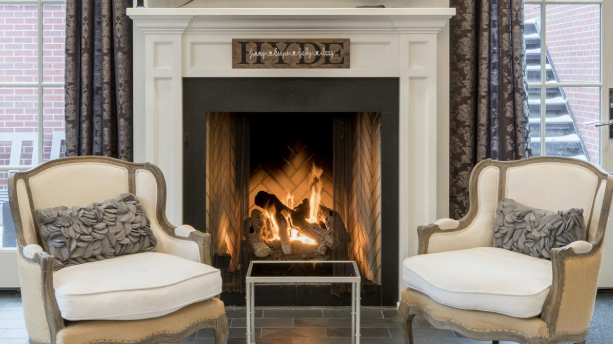
Accent lighting in living rooms might highlight artwork, bookcases, or architectural features like fireplaces or built-in shelving. Consider installing picture lights above important artwork or using small spotlights to draw attention to three-dimensional objects or interesting textures.
Perhaps most importantly, ensure all your living room lighting is on dimmers. This single upgrade transforms a room's versatility, allowing you to create appropriate atmospheres for any activity or time of day.
Kitchen Lighting: Safety Meets Style
Kitchens demand excellent lighting for both safety and functionality. Food preparation involves sharp knives and hot surfaces—adequate lighting isn't just about aesthetics but preventing accidents.
Ambient lighting in kitchens often comes from a combination of ceiling fixtures and natural light. Consider the kitchen's size and layout; larger spaces may require multiple fixtures or a combination of recessed lighting to eliminate shadows in work areas.
Task lighting is crucial in kitchens. Under-cabinet lights illuminate countertops where most food preparation occurs, eliminating shadows that overhead lighting alone can't address. Pendant lights over islands or peninsulas provide both task lighting for these work surfaces and visual interest that elevates the kitchen's design.
If your kitchen includes a dining area, consider separate lighting controls for different zones. You might want bright task lighting while cooking but softer, more intimate lighting during meals. This zoning allows the kitchen to transition from efficient workspace to gathering spot seamlessly.
Don't forget accent lighting opportunities. Inside-cabinet lighting showcases dishware or glassware while providing subtle ambient light during evening hours. Toe-kick lighting—LED strips installed under base cabinets—provides gentle nighttime navigation lighting and creates an unexpected design element.
Bedroom Lighting: Creating Restful Retreats
Bedrooms prioritize relaxation and rest, requiring softer, more flexible lighting than active spaces like kitchens or home offices. The goal is creating environments that promote winding down and quality sleep.
While some ambient lighting is necessary, bedrooms often benefit from multiple lower-level sources rather than bright overhead fixtures. Table lamps on nightstands, wall-mounted sconces flanking the bed, or floor lamps in reading corners provide gentler ambient light that feels more appropriate for evening hours.
Reading lights are essential for most bedrooms. Adjustable wall-mounted swing-arm lamps or articulating table lamps allow each person to direct light without disturbing a partner. Position reading lights so they illuminate your book or device without shining in your eyes or casting harsh shadows.
If your bedroom includes a dressing area or closet, ensure adequate lighting for selecting clothes and getting ready. Closet lighting has improved dramatically with LED options that don't generate heat or require hardwiring. Motion-sensor lights in closets provide convenient, energy-efficient illumination.
Dimmer switches are even more crucial in bedrooms than other rooms. Bright light suppresses melatonin production, making it harder to sleep. Dimmable lights let you gradually reduce lighting levels as evening progresses, supporting natural circadian rhythms and better sleep quality.
Bathroom Lighting: Precision and Clarity
Bathrooms require excellent lighting for grooming tasks—shaving, makeup application, hair styling—while also creating spa-like atmospheres for relaxation during baths or showers.
The most common bathroom lighting mistake is a single overhead fixture, which casts shadows on faces making grooming tasks difficult. Better solutions place lights on either side of mirrors at face height, eliminating shadows and providing even illumination. If side lighting isn't possible, a horizontal fixture above the mirror works better than a single ceiling light, though it still may cast some shadows.
Choose bathroom light bulbs carefully. Color rendering index (CRI) measures how accurately light reveals colors, with higher numbers being better. Look for bulbs with CRI above 90 for bathroom vanity lighting, ensuring you see accurate skin tones and makeup colors.
Shower and bathtub areas require waterproof fixtures rated for damp or wet locations. Recessed lights designed for shower use provide safe, effective illumination. In larger bathrooms, separate lighting controls for different zones—vanity, shower, tub—allow appropriate lighting for specific activities.
If your bathroom has no natural light, consider full-spectrum bulbs that simulate daylight. These help regulate circadian rhythms and provide more pleasant illumination than typical cool white bulbs.
Home Office Lighting: Supporting Productivity
Home offices demand lighting that reduces eye strain, minimizes screen glare, and supports long hours of focused work. Poor lighting in workspaces directly impacts productivity, comfort, and even health.
Natural light benefits home offices tremendously, but position desks to avoid glare on computer screens. Generally, workstations perpendicular to windows work best, with natural light coming from the side rather than directly behind you (causing screen glare) or directly in front (causing eye strain).
Ambient lighting in offices should be bright enough to prevent contrast issues between illuminated screens and dark surroundings—this difference causes eye strain. However, avoid overly bright overhead lights that create glare on screens or glossy desk surfaces.
Task lighting for desk work should illuminate the entire work surface evenly without creating harsh shadows or bright spots. Desk lamps with adjustable arms and heads allow positioning light exactly where needed. Look for lamps with dimming capability to adjust intensity based on time of day and natural light availability.
If your home office includes video conferencing, consider how lighting affects your appearance on camera. Soft, diffused light from in front of and slightly above face level creates flattering illumination, while backlighting (windows behind you) creates silhouettes that make you difficult to see.
Dining Room Lighting: Setting the Mood
Dining rooms center around the table, making overhead lighting crucial. Chandeliers or pendant lights suspended above dining tables provide both necessary illumination and significant design impact.
When selecting dining room fixtures, consider scale carefully. The fixture should be substantial enough to feel intentional without overwhelming the space. A general guideline suggests the chandelier's diameter should be about half to two-thirds the table's width. Hang chandeliers 30 to 36 inches above the table surface—high enough to avoid obstructing views across the table but low enough to effectively illuminate meals and create intimate atmosphere.
Dining room lighting absolutely requires dimming capability. Bright light works well for family dinners and homework sessions, but intimate dinners benefit from much softer illumination. The ability to adjust lighting transforms the dining room's mood dramatically.
Consider supplementary lighting beyond the main fixture. Wall sconces, a sideboard lamp, or accent lighting on artwork adds depth and allows for varied lighting schemes. Even when the chandelier is dimmed for intimate dinners, accent lighting maintains visual interest and prevents the room from feeling too dark.
Outdoor and Landscape Lighting: Extending Your Living Space
Outdoor lighting serves multiple purposes—safety, security, aesthetic enhancement, and extending usable hours for outdoor spaces. Thoughtful outdoor lighting transforms landscapes and patios into evening destinations rather than spaces that go dark after sunset.
Pathway and Safety Lighting
Pathways, steps, and other potential hazards require adequate lighting for safe navigation after dark. Path lights lining walkways guide visitors safely to doors. Step lights built into risers illuminate stairs without glare. Low-voltage lighting works well for these applications, providing necessary visibility with minimal energy use.
Avoid the common mistake of overlighting paths. You need enough light to see the way safely, but not stadium-level illumination. Subtle lighting creates inviting atmosphere while ensuring safety. Many path lights now include LED technology with warm color temperatures that feel welcoming rather than harsh.
Accent and Feature Lighting
Just as indoor accent lighting highlights interesting features, landscape lighting can showcase trees, architectural elements, water features, or specimen plants. Uplighting—placing fixtures at ground level pointing upward—creates dramatic effects on trees and structures. Downlighting from trees or structures mimics natural moonlight, creating subtle, beautiful illumination.
Consider what features you want to emphasize. Interesting tree bark, architectural details, garden sculptures, or unique plants all make worthy focal points. Use restraint; highlighting everything highlights nothing. Select a few key features and light them thoughtfully rather than illuminating your entire yard uniformly.
Entertainment Area Lighting
Patios, decks, and outdoor dining areas need adequate lighting for evening use. Overhead structures like pergolas or covered patios work well with hanging fixtures, pendant lights, or string lights that provide ambient illumination while creating festive atmosphere.
For open patios without overhead structures, consider post lights, tall outdoor lamps, or creative solutions like illuminated planters. String lights remain popular for good reason—they provide soft, flattering light while adding celebratory atmosphere perfect for outdoor entertaining.
Don't forget task lighting for outdoor kitchens or grilling areas. Working with hot grills and sharp knives requires adequate illumination. Look for weather-resistant fixtures designed specifically for outdoor use.
Security Lighting
Motion-sensor lights deter potential intruders while providing illumination when you arrive home after dark. Position these lights to cover entry points—doors, garage access, and ground-floor windows. Modern motion sensors have improved dramatically, with adjustable sensitivity and duration settings that prevent false triggers from small animals or wind-blown branches.
Consider smart outdoor lighting that you can control remotely or schedule to turn on and off at specific times when you're away, creating the appearance of occupancy.
Choosing the Right Bulbs and Fixtures
Understanding bulb options and fixture selection helps you implement effective lighting design that looks beautiful and functions properly.
LED Revolution
LED technology has transformed home lighting, offering dramatic energy savings, long lifespans, and increasing design options. While initial LED costs exceed incandescent alternatives, their longevity and efficiency create savings over time.
Modern LEDs come in various color temperatures measured in Kelvin. Lower numbers (2700K-3000K) produce warm, yellow-toned light similar to traditional incandescent bulbs, perfect for living spaces and bedrooms. Higher numbers (3500K-4100K) create cooler, whiter light better suited to task lighting in kitchens, bathrooms, and offices. Very high numbers (5000K+) produce daylight-similar light useful in workshops or spaces requiring color accuracy.
Pay attention to CRI when selecting bulbs. Higher CRI (above 90) reveals colors accurately, important in bathrooms, closets, and anywhere color matters. Lower CRI bulbs may be acceptable for general ambient lighting where precise color rendering matters less.
Dimmer Compatibility
Not all LEDs work with traditional dimmer switches. If you're replacing incandescent bulbs with LEDs on existing dimmers, verify LED compatibility. Some LEDs flicker or buzz on incompatible dimmers. When installing new lighting, consider using dimmers specifically designed for LED loads, which provide better performance and smoother dimming.
Fixture Selection Strategies
Choose fixtures appropriate for your home's style while prioritizing function. A beautiful chandelier that doesn't provide adequate light serves neither aesthetic nor practical purposes. Consider the fixture's light distribution pattern—does it direct light upward, downward, or in all directions? How does this align with your lighting needs?
Scale matters enormously in fixture selection. Oversized fixtures overwhelm small rooms while tiny fixtures disappear in large spaces. When uncertain, err slightly larger than smaller—substantial fixtures feel more intentional than undersized ones.
Smart Lighting and Modern Control Systems
Technology has expanded lighting possibilities through smart bulbs, fixtures, and control systems that offer unprecedented flexibility and convenience.
Smart Bulbs and Fixtures
Smart lighting allows control through smartphone apps, voice assistants, or automated schedules. You can adjust brightness and color temperature, create scenes for different activities, and control lights remotely. For renters or those avoiding major electrical work, smart bulbs provide sophisticated control without rewiring.
Smart fixtures integrate technology directly into the fixture rather than requiring special bulbs. These often provide better performance and more features than smart bulbs but require commitment since you can't simply swap bulbs as with traditional fixtures.
Lighting Scenes and Automation
Smart lighting's real power lies in scenes and automation. Create "movie night" scenes that dim living room lights to perfect levels. "Good morning" scenes gradually brighten bedroom lights, simulating sunrise. "Leaving home" scenes ensure all lights turn off when you depart.
Automation based on time, sunrise/sunset, or presence makes lighting effortless. Lights automatically adjust throughout the evening, gradually dimming as bedtime approaches. Motion sensors turn lights on when you enter rooms and off when you leave, saving energy without sacrifice.
Integration with Other Systems
Smart lighting integrates with other home automation systems—security cameras, door locks, thermostats, and entertainment systems. Lights flash when doorbell cameras detect motion. They automatically turn on when security systems disarm. This integration creates cohesive, responsive environments that adapt to your needs and habits.
Common Lighting Mistakes to Avoid
Even with good intentions, certain lighting mistakes appear frequently in homes. Avoiding these common pitfalls improves your lighting design significantly.
Relying Solely on Overhead Lighting
Single ceiling fixtures create flat, harsh lighting with stark shadows. Layer multiple light sources at different heights for depth and flexibility. Table lamps, floor lamps, wall sconces, and other fixtures create infinitely more interesting and comfortable lighting than ceiling fixtures alone.
Insufficient Lighting Levels
Many homes suffer from inadequate overall lighting, forcing occupants to strain their eyes or stumble in poorly lit areas. Don't sacrifice adequate illumination for ambiance—instead, install sufficient lighting with dimming capability to adjust intensity as needed.
Ignoring Natural Light
Windows provide free, beautiful light—use it wisely. Avoid blocking windows with furniture or heavy curtains. Use reflective surfaces and light colors to bounce natural light deeper into rooms. Position task areas near windows when possible to capitalize on daylight.
Wrong Bulb Color Temperature
Mixing color temperatures randomly creates uncomfortable, incoherent lighting. Generally, stick to warm whites (2700K-3000K) in living spaces and bedrooms. Slightly cooler whites work in kitchens and bathrooms. Maintain consistency within rooms—mixing warm and cool bulbs in the same space rarely works well.
Neglecting Dimmer Switches
Fixed-intensity lighting limits versatility. Dimmers cost relatively little but dramatically increase lighting flexibility. Prioritize dimmers in living rooms, bedrooms, and dining rooms at minimum.
Lighting is not merely functional necessity but powerful design tool that shapes how we experience our homes. Thoughtful lighting design creates mood, highlights beauty, ensures safety, and supports activities ranging from focused work to complete relaxation. By understanding lighting principles and implementing them room by room, you transform your home from adequately lit to beautifully illuminated.
Start by assessing your current lighting situation. Identify rooms that feel uncomfortable or inadequate. Consider which spaces would benefit most from improved lighting and prioritize those projects. Even small improvements—adding a reading lamp, installing dimmers, or upgrading bulbs—create noticeable differences.
Remember that lighting design evolves with your needs and preferences. What works during one life stage may need adjustment later. Stay flexible, experiment with different solutions, and don't be afraid to make changes. Your home's lighting should serve you, adapting to support whatever activities and atmospheres your life requires. With thoughtful attention to lighting, every room becomes not just visible but truly alive.
About the Author