Seasonal Home Design: Bringing Nature's Rhythm Indoors Throughout the Year


Nature moves through predictable cycles, each season bringing distinct colors, textures, and moods. While our homes provide shelter from these changing conditions, completely isolating ourselves from seasonal rhythms can leave us feeling disconnected and our spaces feeling stagnant. Embracing seasonal design allows us to honor these natural transitions while keeping our homes feeling fresh, relevant, and aligned with the world outside our windows.
Seasonal decorating doesn't require complete room overhauls or enormous budgets. Instead, it's about strategic, thoughtful changes that acknowledge the shifting seasons while maintaining your home's core aesthetic. This approach keeps your space feeling dynamic and intentional rather than frozen in time, and it provides regular opportunities to reassess what's working and refresh what isn't.
Understanding Seasonal Design Philosophy
Before diving into specific seasonal strategies, it's important to understand the underlying philosophy that makes seasonal decorating effective rather than chaotic.
Building on a Neutral Foundation
The most successful seasonal decorators maintain neutral foundations—walls, major furniture pieces, and permanent fixtures in timeless colors that work year-round. This approach allows seasonal accents to shine without requiring major changes or creating visual conflict.
Think of your neutral foundation as a blank canvas. Whites, grays, beiges, soft taupes, and natural wood tones provide flexibility for layering seasonal colors and textures without commitment. When spring arrives, you can introduce pastels and florals. When autumn comes, warm oranges and rustic elements take center stage. The foundation remains constant while the layers change.
This strategy also proves more economical. Rather than replacing furniture or repainting walls with each season, you invest in interchangeable accessories—throw pillows, blankets, artwork, decorative objects, and textiles that can be rotated throughout the year.
Responding to Natural Light Changes
Different seasons bring dramatically different light quality. Summer's bright, abundant daylight differs vastly from winter's soft, limited illumination. Effective seasonal design acknowledges and responds to these lighting changes.
During darker months, incorporate more lamps, candles, and warm-toned lighting to compensate for reduced natural light. Light-colored or reflective surfaces help bounce available light around rooms. Conversely, during bright summer months, you might emphasize natural materials that absorb rather than reflect light, preventing spaces from feeling harsh or glaring.
Window treatments also play crucial roles in managing seasonal light. Sheer curtains filter intense summer sun while still allowing views and brightness. Heavier drapes provide insulation during winter months while creating cozy atmospheres during long, dark evenings.
Connecting Indoor and Outdoor Spaces
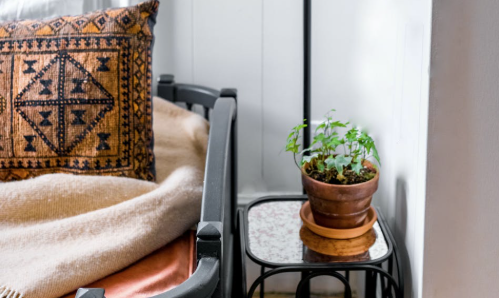
Perhaps the most authentic approach to seasonal design involves literally bringing the outdoors in—incorporating elements from nature that reflect current seasonal conditions. Fresh flowers in spring, abundant greenery in summer, collected leaves and branches in autumn, and evergreen boughs in winter create immediate, authentic connections to the season outside.
This approach costs little or nothing while providing constantly changing, genuinely seasonal elements. A walk through your neighborhood or nearby natural areas yields branches, foliage, seed pods, and other decorative materials that capture the essence of the current season better than any manufactured decoration.
Spring: Awakening and Renewal
Spring represents nature's great awakening after winter's dormancy. Capturing this energy in your home means embracing lightness, freshness, and the gradual return of color after winter's muted palette.
Color Palette Transitions
Spring calls for soft, optimistic colors—pale greens suggesting new growth, soft yellows reminiscent of daffodils, gentle pinks echoing cherry blossoms, and sky blues reflecting lengthening days. These colors needn't overwhelm; even small touches refresh spaces after winter's heavy, dark tones.
Consider swapping darker throw pillows for lighter alternatives in spring-appropriate shades. Replace heavy throws with lighter cotton or linen versions in fresh colors. Even changing a few decorative objects—vases, picture frames, or candles—to lighter tones signals seasonal transition.
Incorporating Fresh Florals
Nothing announces spring more effectively than fresh flowers. Whether purchased bouquets or branches cut from your own yard, fresh blooms bring life and fragrance that artificial alternatives cannot match. Even modest arrangements in simple vessels create significant impact.
If fresh flowers strain your budget, consider flowering branches, which last longer and often cost less. Forsythia, cherry, magnolia, and quince branches provide dramatic displays that evolve as buds open over days or weeks.
For those wanting longer-lasting options, high-quality silk or faux flowers have improved dramatically in recent years. The key is choosing realistic options and arranging them naturally rather than in obviously artificial configurations.
Lightening Up Textiles
Spring cleaning isn't just about scrubbing—it's also about lightening your home's textiles. Store heavy wool throws, velvet pillows, and flannel bedding, replacing them with cotton, linen, and lighter-weight alternatives. This change creates both visual and practical shifts, making spaces feel airier as temperatures warm.
Consider lighter window treatments as well. If you closed heavy curtains during winter for insulation, spring is the time to open them or replace them temporarily with sheers that welcome returning light while maintaining privacy.
Refreshing Outdoor Spaces
As weather permits outdoor enjoyment again, spring demands attention to patios, porches, and gardens. Clean outdoor furniture, refresh cushions, and assess what survived winter. Pressure washing decks or patios, cleaning windows, and tending to landscape beds extends your living space and creates inviting outdoor rooms for the seasons ahead.
Early spring is also ideal for planning garden updates—whether adding new plantings, refreshing mulch, or incorporating new outdoor decor elements. Even container gardens on small balconies or patios contribute to seasonal atmosphere.
Summer: Vibrant Energy and Outdoor Living
Summer brings long days, warm temperatures, and a natural pull toward outdoor activities. Summer design should feel energetic yet comfortable, emphasizing cooling elements and maximizing outdoor living opportunities.
Embracing Bolder Colors
While spring favors soft pastels, summer can handle more saturated, confident colors—deep turquoise, sunny yellow, coral, and vibrant green. These colors reflect summer's energy and abundant sunshine without feeling overwhelming in well-lit spaces.
Summer is also an excellent time to incorporate pattern more boldly. Geometric prints, tropical motifs, or classic stripes add visual interest and summer personality. These patterns work particularly well in outdoor spaces but can enliven indoor rooms as well.
Cooling Visual Elements
Even with air conditioning, visual cues suggesting coolness enhance comfort during hot months. White linens, glass and metal accents, and blue-toned colors all create psychological cooling effects. Natural materials like bamboo, rattan, and light woods also feel cooler than heavy, dark alternatives.
Remove heavy rugs or replace them with natural fiber alternatives like jute or seagrass. These materials feel more appropriate for warm weather while providing texture and comfort underfoot. In bedrooms, switch to lightweight cotton or linen bedding, reserving duvets and heavy comforters for cooler months.
Maximizing Outdoor Living
Summer is prime time for outdoor entertaining and relaxation. Ensure your outdoor spaces are comfortable and functional with adequate seating, shade options, and evening lighting. String lights, lanterns, and landscape lighting extend usability into warm summer evenings.
Consider creating distinct outdoor zones—dining areas, conversation groupings, and quiet reading nooks. Outdoor rugs, weather-resistant pillows, and thoughtful furniture arrangement make exterior spaces feel like genuine outdoor rooms rather than afterthoughts.
Don't forget practical elements like citronella candles or other insect deterrents, sun protection for sensitive areas, and cooling elements like fans or misting systems in particularly hot climates. Comfort drives usage, and unused outdoor spaces represent wasted potential.
Bringing Nature's Abundance Indoors
Summer's plant abundance allows generous indoor greenery. Fresh herb arrangements provide beauty and function. Sunflowers, zinnias, and other bold summer blooms create cheerful focal points. Even simple glass vessels filled with fresh-cut garden flowers bring summer's energy indoors.
For those without gardens, farmers' markets offer seasonal flowers at reasonable prices. The key is embracing abundance—summer isn't the season for minimalism but rather for celebration of growth and vitality.
Autumn: Warmth and Gathering
As days shorten and temperatures cool, autumn invites us inward, emphasizing comfort, warmth, and gathering spaces. This season's design focuses on creating cozy environments that counter darkening days and cooling temperatures.
Warming the Color Palette
Autumn's signature colors—burnt orange, deep red, golden yellow, rich brown, and warm burgundy—reflect nature's spectacular foliage displays. These colors needn't appear in equal measure; even a few warm-toned accents shift the mood significantly from summer's brightness to autumn's richness.
Incorporate these colors through throw pillows, blankets, table linens, and decorative accessories. Artwork featuring autumn landscapes or warm abstracts also contributes to seasonal atmosphere without requiring storage between seasons.
Layering for Warmth and Texture
Autumn excels at layering. Add throws to sofas and chairs, creating visual interest while providing practical warmth. Layer rugs over summer's natural fiber options or replace them entirely with warmer alternatives. Bring out velvet, wool, and other cold-weather textiles that spent summer in storage.
This layering extends to tables and surfaces. Table runners, placemats, and cloth napkins in autumn colors prepare spaces for seasonal entertaining. Candles in autumn scents—cinnamon, apple, pumpkin, woodsmoke—engage multiple senses in seasonal experience.
Natural Autumn Elements
Nature provides abundant autumn decoration at little or no cost. Colorful leaves, interesting branches, pinecones, gourds, pumpkins, and dried grasses create authentic seasonal displays. Arrange these elements in vases, bowls, or baskets for instant autumn atmosphere.
Visit farmers' markets or farm stands for decorative pumpkins, gourds, and corn stalks. These items last throughout the season and often cost less than artificial alternatives while providing authentic seasonal character.
Preparing for Gathering
Autumn traditionally signals increased indoor entertaining—holiday preparations begin, football season arrives, and cooling weather encourages gathering indoors. Ensure your spaces accommodate guests comfortably with adequate seating, good lighting, and welcoming atmospheres.
Consider how your spaces function for groups. Can people move easily? Is seating arranged to facilitate conversation? Are tables accessible for serving food and drinks? Small adjustments in furniture arrangement dramatically improve spaces' functionality for entertaining.
Winter: Cozy Elegance and Celebration
Winter brings the year's darkest days and, in many regions, harsh weather that keeps us indoors for extended periods. Winter design emphasizes comfort, warmth, and often celebrates various holiday traditions.
Creating Warmth Through Design
Winter design should combat cold, dark conditions through warm colors, soft textures, and abundant lighting. Deep reds, forest greens, rich browns, and warm grays create cocoon-like atmospheres that feel protective rather than depressing.
Maximize all light sources—natural and artificial. Keep windows clean to capture maximum daylight. Use warm-toned bulbs in lamps and fixtures. Incorporate candles generously; their flickering light creates unmatched coziness. Consider adding lamps if spaces feel dark or unwelcoming during winter's short days.
Texture and Softness
Winter is the season for indulgent textures. Bring out your softest throws, plushest pillows, and most luxurious textiles. Faux fur, chunky knits, velvet, and wool all contribute to winter's cozy aesthetic while providing genuine warmth.
Don't neglect floors—thick area rugs or layered rugs add insulation and comfort underfoot. In bedrooms, consider flannel sheets or jersey knit bedding that feels warm and inviting on cold nights.
Holiday Decorating Considerations
Many people associate winter exclusively with holiday decorating, but winter extends well beyond December. While holiday decorations certainly belong in winter schemes, consider how your home will transition after holidays conclude but winter continues.
Plan holiday decorations that complement rather than overwhelm your existing aesthetic. Classic, elegant approaches often age better than trendy styles and integrate more seamlessly with year-round design. After holidays, retain winter-appropriate elements—evergreen arrangements, white and silver accents, cozy textiles—while removing specifically holiday items.
Bringing Nature Indoors
Winter's natural offerings differ from other seasons but remain beautiful. Evergreen branches, holly, winterberry, and interesting bare branches create striking arrangements. Pinecones, seed pods, and dried elements collected during autumn continue working through winter.
Consider forcing spring bulbs indoors for mid-winter blooms. Paperwhites, amaryllis, and hyacinths provide fresh flowers during winter's bleakest months, offering hope and beauty when outdoor gardens sleep.
Creating Cozy Gathering Spots
Winter encourages intimate gatherings and quiet evenings at home. Create inviting reading nooks with comfortable seating, good lighting, and nearby surfaces for books and beverages. Arrange furniture to encourage conversation and game-playing rather than just television watching.
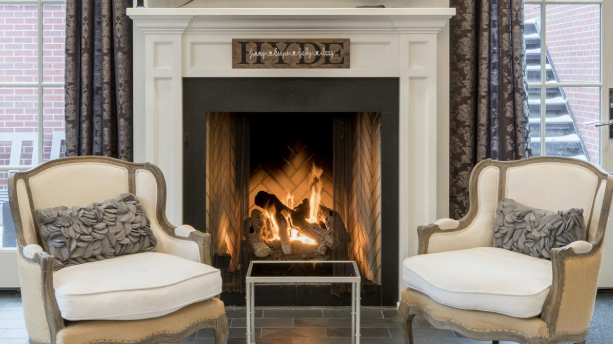
If you have a fireplace, make it a focal point with comfortable seating arranged to enjoy the fire. Even without a working fireplace, creative arrangements of candles, logs, or string lights in a hearth create similar warmth and focus.
Practical Strategies for Seasonal Transitions
Understanding seasonal design philosophies is one thing; implementing them practically is another. These strategies make seasonal transitions manageable rather than overwhelming.
Organized Storage Systems
Successful seasonal decorating requires organized storage. Clearly labeled bins or boxes for each season prevent the frustration of searching for specific items. Photograph bin contents if helpful, and store seasonal items accessibly rather than buried in difficult-to-reach areas.
Consider storing spring/summer items together and fall/winter items together, as these transitions occur simultaneously. This grouping makes changeovers more efficient.
Gradual Rather Than Abrupt Changes
You needn't transform your entire home overnight. Gradual transitions often feel more natural and less jarring. As seasons shift, make changes room by room or category by category—textiles one week, decorative objects the next, outdoor spaces the following week.
This approach also spreads workload and expense over time rather than requiring intensive effort or investment all at once.
Investing Strategically
Build your seasonal collection gradually, investing in quality pieces that will last multiple years rather than cheap items requiring frequent replacement. Classic seasonal colors and styles outlast trends, making them better long-term investments.
Watch for end-of-season sales to purchase items for the following year. Autumn decorations in November or winter items in January often sell at steep discounts, allowing you to build collections economically.
Keeping It Manageable
Seasonal decorating should enhance your life rather than creating stress. Start simply, focusing on one or two rooms or a few key changes. You can always expand your seasonal decorating over time as you develop systems and collections.
Remember that seasonal decorating is optional—there's no requirement to change anything. Some people enjoy frequent changes while others prefer consistency. Honor your preferences and lifestyle rather than feeling pressured by others' approaches.
Beyond the Traditional Four Seasons
While spring, summer, autumn, and winter provide the basic framework, consider acknowledging other transitions and celebrations throughout the year.
Holiday-Specific Touches
Various holidays provide opportunities for special decorating—Valentine's Day, Easter, Independence Day, Halloween, Thanksgiving, and winter holidays. These celebrations can inspire specific decorative touches that complement broader seasonal themes.
The key is avoiding overwhelming permanent design with temporary holiday decorations. Strategic, tasteful holiday accents enhance rather than dominate your existing aesthetic.
Personal Seasonal Milestones
Your personal calendar includes celebrations and milestones worth acknowledging through design—birthdays, anniversaries, graduations, or other significant events. These personal seasons matter as much as natural ones, and acknowledging them through special decorative touches or gatherings creates meaningful home memories.
Seasonal decorating connects us with nature's rhythms, provides regular opportunities for refresh and renewal, and keeps our homes feeling dynamic and intentional. By building on neutral foundations and rotating seasonal layers, we create spaces that feel both consistent and ever-changing—familiar yet always offering something new.
Start where you are, with what you have. Even the smallest seasonal acknowledgment—a spring bouquet, a cozy autumn throw, summer's open windows, winter's candles—connects you more deeply with the passing year and enlivens your daily environment. Your home should grow and change with you, and seasonal design provides the perfect framework for this ongoing evolution.
As you develop your seasonal decorating practice, you'll discover personal rhythms and preferences. Perhaps you love dramatic seasonal transformations, or maybe subtle shifts feel more appropriate for your lifestyle. There's no single correct approach—only what works for your home, your aesthetic, and your life. Embrace the journey of seasonal living, and watch as your home becomes more vibrant, intentional, and deeply connected to the natural world beyond your walls.
About the Author